
What’s the Difference Between a Gas and Electric Furnace?
If you live on the Texas coast, you probably don’t think about your furnace too often. But when those cool north winds roll through Port Aransas, you’ll be glad you have one that’s reliable and efficient. Whether you’re building a new home or replacing an aging HVAC system, one of the most common questions we get at Highland AC – Coastal Bend is: What’s the difference between a gas and electric furnace?
Let’s break down how each system works, their pros and cons, and which might be the best fit for your coastal home.
How a Gas Furnace Works
A gas furnace uses natural gas or propane as its fuel source. When your thermostat calls for heat, the furnace ignites the gas in the burner. The flames heat up metal heat exchangers, and the blower fan pushes warm air through your ductwork and into your home.
Gas furnaces are known for heating quickly and producing high-temperature air, which means your house warms up fast even on the chilliest mornings.
Advantages of Gas Furnaces:
- Faster heating: Gas furnaces deliver powerful, consistent heat quickly.
- Lower fuel costs: In many areas, natural gas is cheaper than electricity.
- Great for colder climates: They work efficiently even when outside temperatures drop.
Disadvantages:
- Requires access to a gas line or propane tank.
- More maintenance due to combustion components.
- Potential for carbon monoxide risks if not serviced regularly.
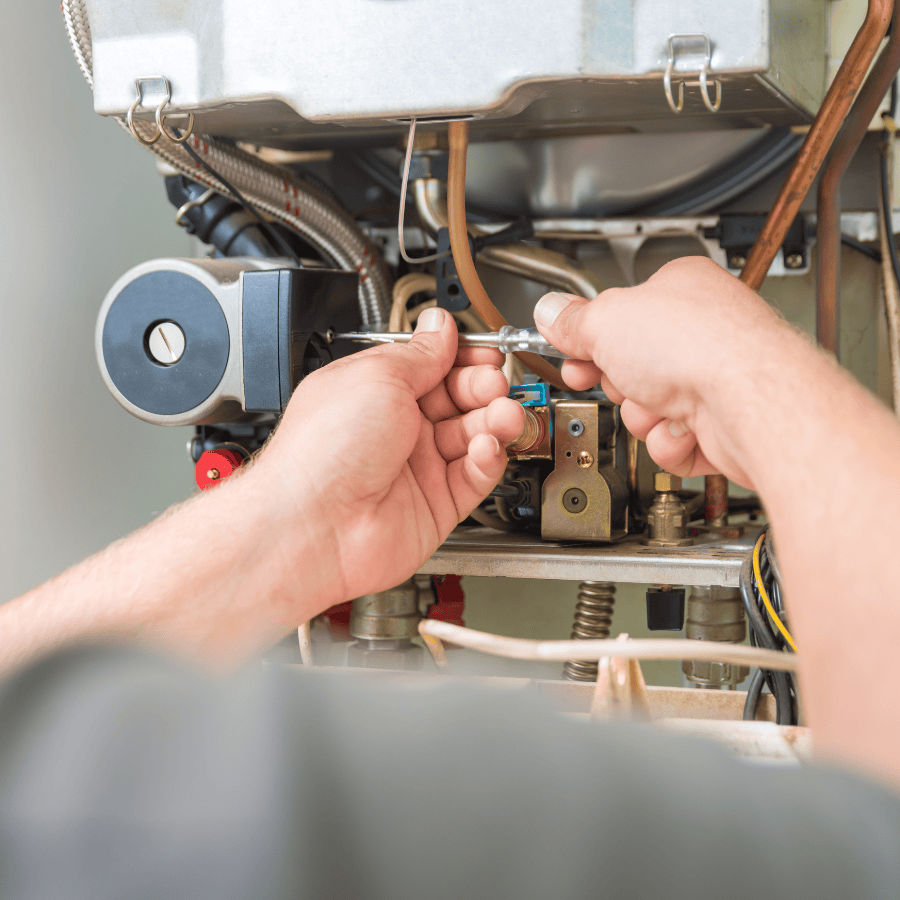
For safety and efficiency, it’s essential to have your gas furnace inspected annually by a qualified HVAC technician—especially in coastal regions like Port Aransas, where salt air can accelerate corrosion.
How an Electric Furnace Works
An electric furnace, on the other hand, uses electric heating elements instead of gas burners. When you turn up the heat, electricity flows through coils inside the furnace, generating warmth. The blower then circulates this heated air through your ducts.
Electric furnaces are simple, clean, and easy to maintain since they don’t rely on combustion or venting.
Advantages of Electric Furnaces:
- No gas line required: Perfect for homes without natural gas access.
- Lower installation cost: Generally less expensive to install.
- Safer operation: No combustion or carbon monoxide risks.
- Long lifespan: Electric furnaces often last longer due to fewer moving parts.
Disadvantages:
- Higher energy costs: Electricity tends to be more expensive than gas.
- Slower heating: They may take longer to warm up large spaces.
- Less efficient in cold snaps: They can struggle to maintain temperature when outdoor air is very cold.
For coastal homes that use electricity for most systems, an electric furnace can still be an excellent choice—especially when paired with a high-efficiency heat pump.
Which Furnace Is Best for Coastal Texas Homes?
In Port Aransas and the Coastal Bend, winters are mild and short, but humidity and salt exposure can take a toll on equipment. That’s why it’s important to choose a system built to withstand coastal conditions.
At Highland AC – Coastal Bend, we often recommend Carrier Coastal Series equipment designed with corrosion-resistant coatings that hold up in salty air. Whether you go gas or electric, investing in coastal-rated HVAC equipment can extend the life of your system and maintain its efficiency.
If your home already has a gas line, a gas furnace can provide powerful, affordable heat. If not, an electric furnace or heat pump system might make more sense, offering year-round comfort with simple maintenance.
Let Highland AC Help You Decide
Choosing the right furnace isn’t just about fuel type—it’s about your home’s layout, energy costs, and long-term comfort goals. The experts at Highland AC – Coastal Bend can help you evaluate your options, inspect your current system, and recommend the most efficient solution for your needs.
Whether you’re upgrading your HVAC system or just curious about your options, we’re here to help keep your home comfortable through every season.
Contact Highland AC in Port Aransas today to schedule a consultation or maintenance visit. We’ll help you find the perfect heating solution for your coastal home—so when those winter winds blow, you’ll stay cozy and worry-free.
Learn more about our Furnace Installation Services.