
How Salt Air and Humidity Affect Your HVAC System in Port Aransas, TX
TL;DR:
Living in Port Aransas means beautiful beaches, ocean breezes, and coastal living. It also means your HVAC system faces extra stress from salt air, humidity, and corrosion. These coastal conditions can shorten the lifespan of AC equipment, reduce efficiency, and increase repair needs. Regular HVAC maintenance, corrosion protection, and timely service are key to keeping your system running smoothly in the harsh coastal climate.
Living in Port Aransas, Texas has a lot of perks. Stunning Gulf views, warm coastal breezes, and easy access to the beach make it one of the most desirable places to live on the Texas coast. But while the salty air and humidity are great for beach days, they can be surprisingly hard on your home’s HVAC system.
If you own a home, condo, or vacation rental in Port Aransas, understanding how coastal conditions affect your air conditioning system can help you avoid costly repairs and extend the life of your equipment.
Let’s take a closer look at what makes coastal HVAC systems different and how to protect them.
Salt Air Causes Corrosion
One of the biggest challenges for HVAC systems near the ocean is salt corrosion.
Salt particles in the air are carried inland by wind and settle on outdoor equipment like your AC condenser unit. Over time, salt begins to break down the metal components of the system, including:
- Condenser coils
- Fan blades
- Electrical connections
- Metal housing
This corrosion can weaken parts and cause them to fail earlier than expected. In inland areas, an HVAC system might last 12–15 years or longer. In coastal areas like Port Aransas, systems sometimes show significant wear much sooner if they are not properly maintained.
Salt buildup also reduces the efficiency of condenser coils. When the coils become coated in salt and debris, your system has to work harder to release heat, which increases energy use and puts more strain on the compressor.
High Humidity Makes Your AC Work Harder
Port Aransas is known for its high humidity levels, especially during the long summer months. While most homeowners think of an air conditioner as something that simply cools the air, a large part of its job is actually removing humidity from inside your home.
When humidity levels are high:
- Your AC runs longer cycles
- The system removes more moisture from the air
- Drain lines and condensate systems work harder
- Internal components stay damp longer
This constant workload can wear down your HVAC system faster than in drier climates.
Humidity also creates the perfect environment for mold and mildew inside ductwork, drain pans, and evaporator coils if systems are not properly maintained.
For coastal homes, proper airflow, clean coils, and clear drain lines are especially important.
Coastal Debris and Sand Can Build Up
Another factor many homeowners overlook is the amount of sand, debris, and airborne particles that coastal wind can carry.
In Port Aransas, outdoor AC units are frequently exposed to:
- Sand particles
- Sea spray
- Coastal dust
- Plant debris
These materials can accumulate inside the condenser coil fins and restrict airflow. When airflow is restricted, your AC system loses efficiency and must work harder to cool your home.
Over time, this buildup can lead to overheating, higher energy bills, and premature equipment failure.
Vacation Homes and Rental Properties Face Unique Challenges
Port Aransas has many vacation homes and rental properties, which can add another layer of HVAC challenges.
When homes sit empty for periods of time, humidity can build up indoors if the system is not running properly. When guests arrive, the AC often has to work extra hard to quickly cool the home.
This type of stop-and-go usage pattern can put additional stress on HVAC systems if they are not routinely inspected and maintained.
Regular maintenance is especially important for rental properties to prevent unexpected breakdowns during peak tourist seasons.
Preventative Maintenance Is Essential on the Coast
Because coastal HVAC systems face harsher conditions, preventative maintenance is more important than ever.
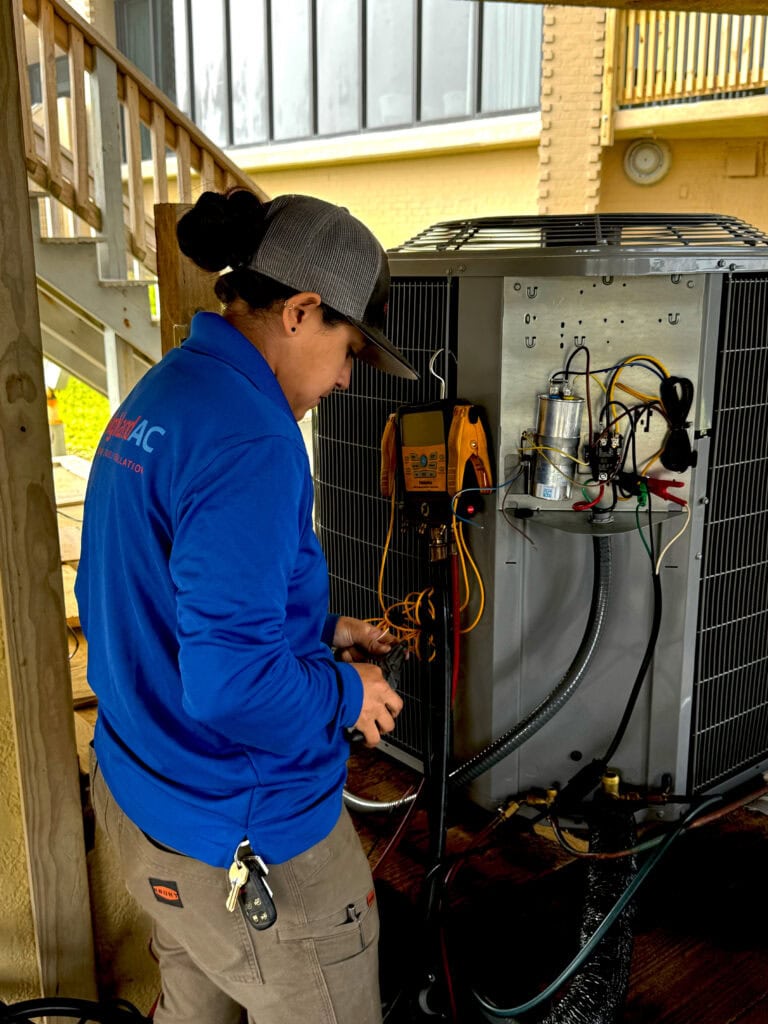
A professional HVAC maintenance visit typically includes:
- Cleaning condenser coils
- Checking for salt corrosion
- Clearing condensate drain lines
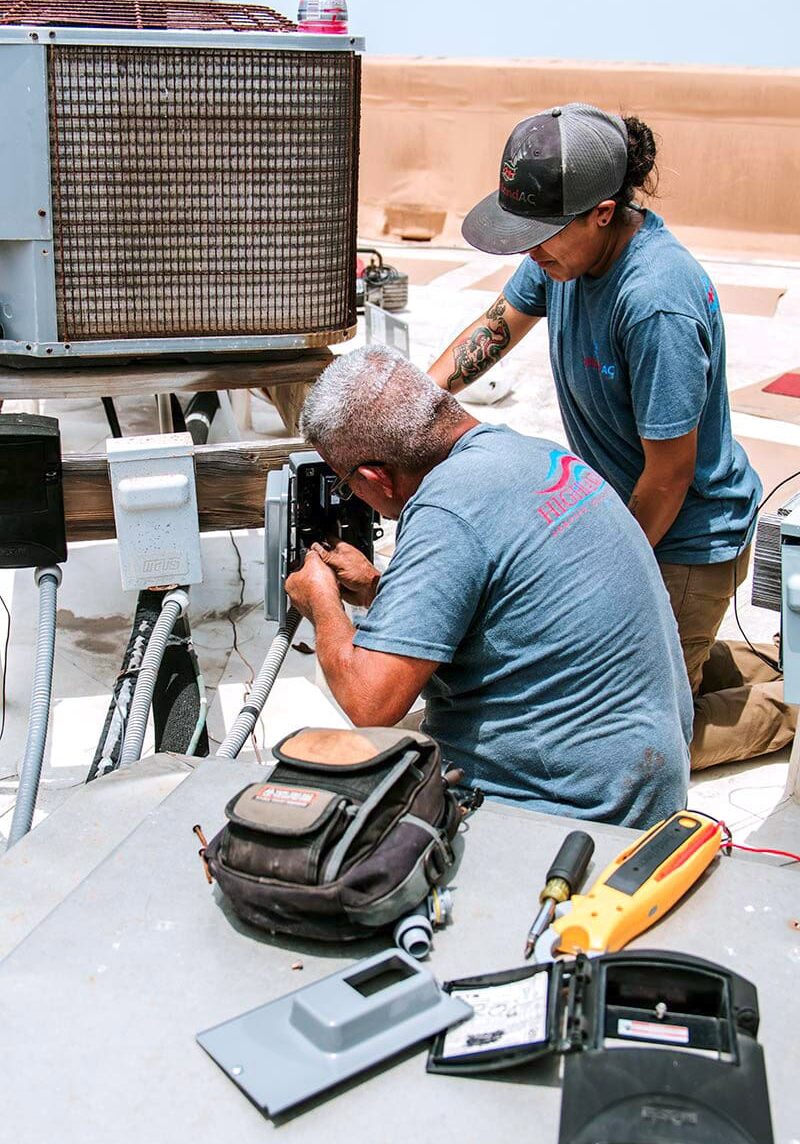
- Inspecting electrical connections
- Checking refrigerant levels
- Testing system performance
Routine service helps catch small problems before they turn into expensive repairs. It also keeps your system operating efficiently during the hottest months of the year.
Many coastal homeowners schedule maintenance twice per year to keep their systems in top shape.
Protecting Your HVAC System in Port Aransas
There are several steps homeowners can take to help protect their HVAC systems from coastal damage:
- Schedule regular professional maintenance
- Rinse outdoor units periodically to remove salt buildup
- Replace air filters regularly
- Keep vegetation and debris away from the condenser
- Address small issues before they become major repairs
These simple steps can help extend the lifespan of your HVAC equipment and keep your home comfortable year-round.
Coastal HVAC Expertise Matters
HVAC systems near the coast require specialized care. A technician familiar with the Port Aransas coastal environmentunderstands the challenges salt air, humidity, and sand create for cooling systems.
With proper maintenance and attention, your HVAC system can continue to keep your home cool and comfortable even in the demanding coastal climate of the Texas Gulf Coast.
For homeowners in Port Aransas, regular HVAC service is not just helpful. It is essential for protecting your system and avoiding costly breakdowns when you need cool air the most.